

New Roof Installation in Cedar City for new construction, home additions, and commercial buildings
Installing a roof on new construction requires coordinating with the building schedule, selecting materials suited to the structure's design and roof pitch, and ensuring proper ventilation and drainage before the roofing system is in place. You're building a custom home, adding a garage or second story, or constructing a commercial building, and the roofing material needs to match the architectural style while providing weather protection that will last for decades. R Gleave Construction installs asphalt shingle, metal, tile, and TPO roofing systems on residential and commercial new construction projects in Cedar City.
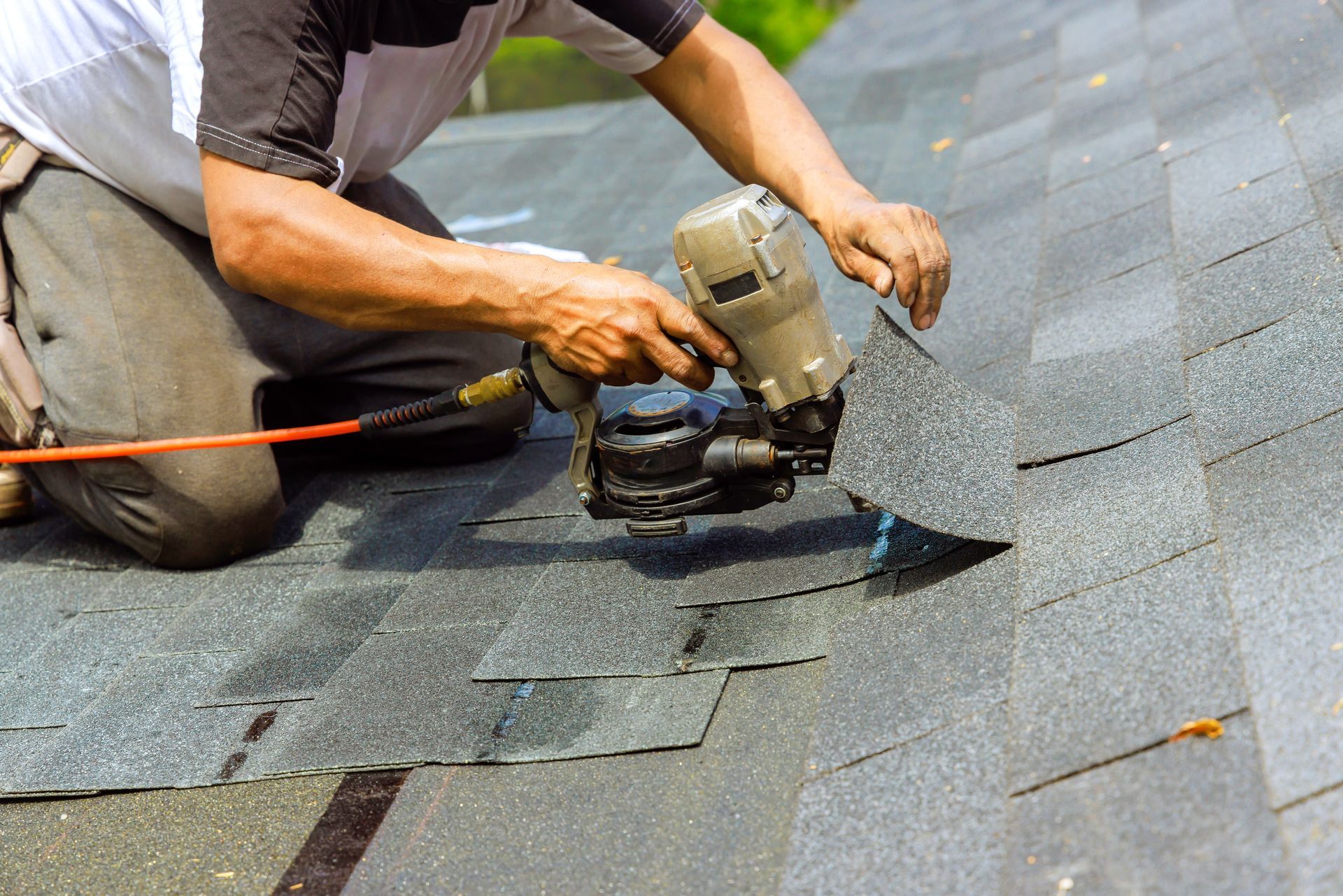
New roof installation begins with reviewing architectural plans to confirm roof slope, drainage paths, and structural support for the selected material. Underlayment is installed over the roof deck, followed by flashing around penetrations, valleys, and roof edges where water will concentrate. Roofing materials are then installed according to manufacturer specifications and local building code requirements. Ventilation components—ridge vents, soffit vents, or mechanical vents—are integrated to allow airflow through the attic space, which prevents heat and moisture buildup that can shorten the roof's lifespan.
Schedule a consultation to review your building plans and discuss roofing material options for your new construction project.
Selecting Materials That Match the Building's Design
Material selection for a new roof depends on the building's architectural style, roof slope, structural capacity, and the property owner's preferences for appearance and maintenance. Asphalt shingles are common on residential projects because they offer a range of colors and styles at a moderate cost. Metal roofing—particularly standing seam panels—suits modern designs and properties where long-term durability and low maintenance are priorities. Tile roofing complements Southwestern and Mediterranean architecture but requires confirming that the roof framing can support the additional weight.
Once installation is complete, the roof surface will shed water effectively, with no low spots where water can pool. Flashing around chimneys, skylights, and roof penetrations will be sealed and secured to prevent leaks. Ventilation will allow hot air to escape from the attic during summer, reducing heat transfer into living spaces below. The roofing material will be fastened to meet wind-uplift requirements, which prevents panels or shingles from lifting during high winds.
New construction also offers the opportunity to plan drainage and gutter placement before exterior finishes are applied. Roof valleys are positioned to direct water toward downspouts, and eaves are extended where needed to protect exterior walls from runoff. These decisions are easier to implement during construction than they are to correct later.
Answers to New Roof Installation Questions
Installing a roof on new construction involves coordination with other trades and decisions that affect the building's long-term performance.
What roofing materials work best on low-slope roofs compared to steep-pitched roofs?
Low-slope roofs typically require materials designed for minimal pitch, such as TPO membranes or certain metal panel systems, while steeper roofs can accommodate asphalt shingles, metal, or tile.
How is roof ventilation planned during new construction?
Ventilation design depends on attic size, roof pitch, and building layout, and typically includes a combination of intake vents at the eaves and exhaust vents at the ridge or roof peak.
Can you coordinate roof installation with the general contractor's construction schedule?
Yes, roofing installation is scheduled after the roof deck is completed and before interior finishes begin, allowing the building to be dried in.
What gets installed first during a new roof installation?
Underlayment is rolled out across the roof deck, then flashing is installed around penetrations and valleys, followed by the roofing material starting from the eaves and working upward toward the ridge.
How does roofing material selection affect construction timelines for new homes in Cedar City?
Material availability, complexity of installation, and weather conditions during construction all influence the schedule, with some materials requiring longer lead times or specialized installation methods.
New roof installation provides the foundation for decades of weather protection when materials are selected appropriately and installed correctly. R Gleave Construction works with homeowners, builders, and commercial property developers in Cedar City to install roofing systems that match project specifications and performance requirements. R Gleave Construction also installs new roofs in St. George, Washington, Hurricane, Ivins, Enoch, and Parowan. Contact R Gleave Construction to discuss roofing options and installation timelines for your new construction project.