

Manufactured stone installation in St. George for homes and businesses requiring engineered stone profiles and lighter weight
St. George's rapid residential growth over the past two decades has produced neighborhoods filled with stucco-clad homes on smaller lots, many of which use manufactured stone accents around entryways and along lower wall sections to add texture without the structural load of full-depth natural stone. Manufactured stone is engineered using cement, aggregates, and pigments to replicate limestone, fieldstone, ledgestone, and ashlar patterns with consistent sizing and color batches. R Gleave Construction installs manufactured stone veneer on new construction and existing properties, coordinating stone placement with stucco finishes and trim details to create cohesive exterior designs. The material's lighter weight simplifies installation on wood-framed walls and reduces the need for additional structural support compared to natural stone.
Installation follows a layered approach: weather-resistant barriers are applied over wall sheathing, followed by metal lath that provides mechanical grip for the scratch coat. Once the scratch coat cures, manufactured stone pieces are set in mortar, with each piece positioned to maintain the intended pattern and joint width. Mortar joints are tooled to a consistent profile, which affects both appearance and how water sheds off the surface. The completed installation presents a stone facade that looks uniform across the wall while accommodating the building's thermal expansion and contraction.
Request a property assessment to explore manufactured stone styles and determine installation requirements.
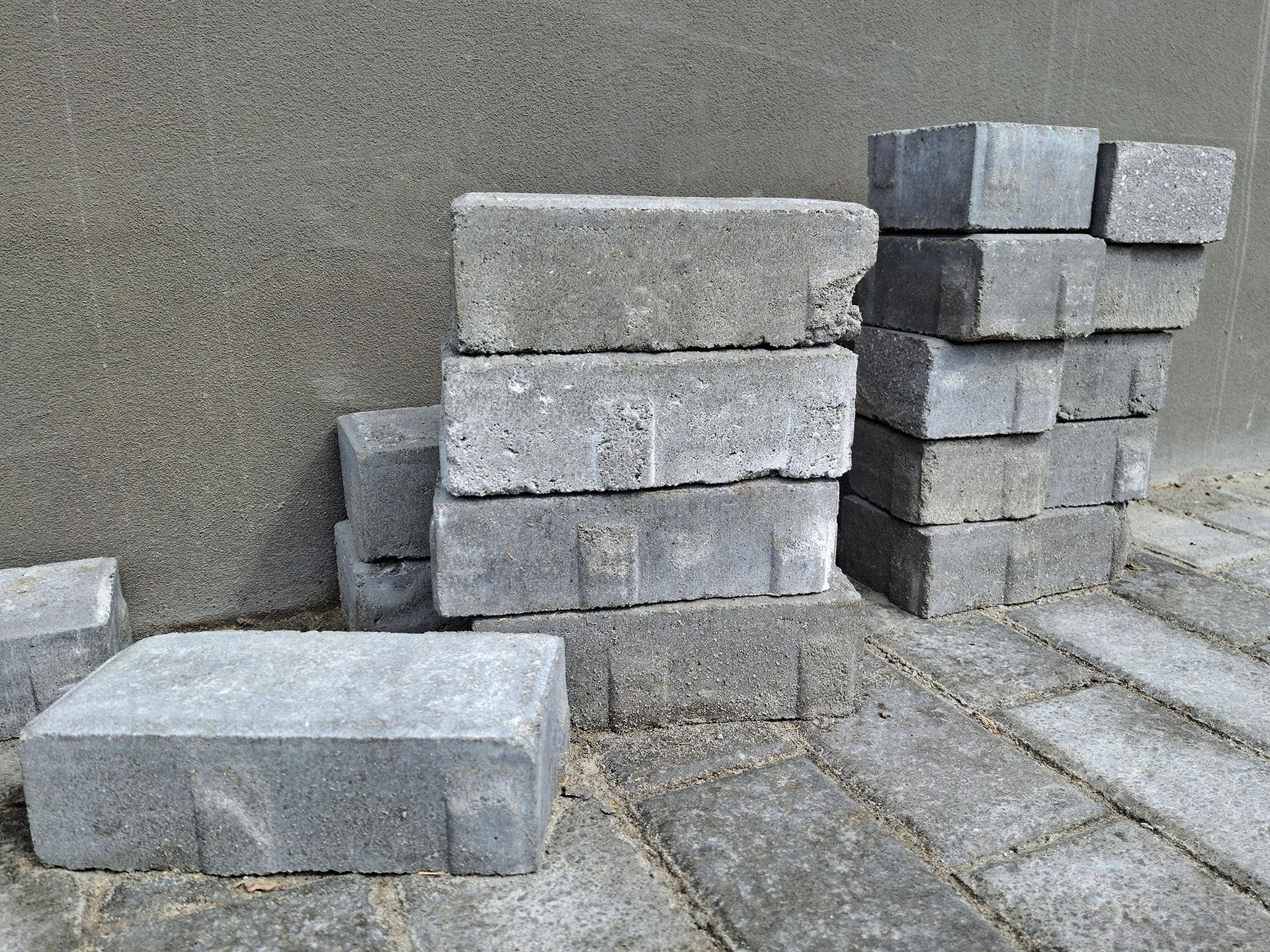
Why Manufactured Stone Installation Differs From Natural
Manufactured stone pieces are molded to standardized dimensions, which speeds installation and reduces the cutting required to fit corners, windows, and doors. The material's engineered composition allows tighter quality control over color consistency—every piece within a batch matches closely, unlike natural stone where each piece varies. Weight per square foot is typically 30 to 50 percent less than natural stone veneer, meaning fewer structural reinforcements are needed and installation progresses faster. However, the material's cement-based composition makes it more porous than some natural stones, so proper drainage behind the veneer and correctly sloped mortar joints become critical to prevent water absorption and freeze-thaw damage in Cedar City's higher-elevation climate.
After installation, the exterior shows stone texture with defined joint lines, a finish that resists fading under direct sun better than painted surfaces, and a surface you can clean without worrying about damaging applied color. The stone remains adhered because the scratch coat created a strong mechanical bond with the lath, and because expansion joints were placed where walls change plane or where stone meets dissimilar materials.
Manufactured stone comes in profiles that range from rustic fieldstone to clean ashlar patterns, giving property owners flexibility to match architectural styles from Southwestern ranch to modern minimalist—material selection should consider both appearance and how the stone's texture will collect dust in Southern Utah's arid environment, since deeper textures require more frequent rinsing.
Common Questions Before Starting Your Project
Manufactured stone installations raise specific questions about material performance and installation standards, particularly when clients are comparing it to natural stone options or evaluating long-term maintenance.
How does manufactured stone attach to the wall?
It's set in a mortar bed applied over a scratch coat, which itself is bonded to metal lath fastened through the weather barrier into the wall studs—this creates a multi-layer system where each component contributes to load transfer and moisture management, and where any single layer failure can compromise the entire assembly.
Why do some manufactured stone installations show efflorescence?
Efflorescence appears when water-soluble salts migrate through the stone and evaporate on the surface, leaving white deposits—it indicates moisture is moving through the assembly, often due to inadequate drainage behind the stone or missing weep screeds, and while it's primarily cosmetic, it signals a condition that can lead to freeze-thaw damage if not corrected.
What's the purpose of the scratch coat in manufactured stone installation?
The scratch coat creates a level surface and provides the mechanical bond between the lath and the stone—it's scored or "scratched" while still wet to increase surface area, and it must cure fully before stone is applied or the bond will be weak and stones may detach over time.
How are expansion joints incorporated in manufactured stone facades?
Joints are placed where walls change direction, at floor lines on multi-story buildings, and around large openings—they're filled with backer rod and flexible sealant rather than rigid mortar, allowing the stone to expand and contract with temperature changes common in St. George without cracking or displacing stones adjacent to the joint.
What should you look for in finished manufactured stone work?
Consistent joint width, uniform mortar color, stones that are flush with each other rather than protruding unevenly, and clean transitions at corners and terminations—these details indicate the installer maintained proper mortar consistency, placed stones carefully, and tooled joints to the correct depth for weather resistance.
Manufactured stone offers design flexibility and cost advantages that make it a practical choice for accent installations and full facades on residential and commercial properties. R Gleave Construction also installs manufactured stone in Washington, Hurricane, Ivins, Enoch, and Parowan. Discuss available manufactured stone profiles and color options with R Gleave Construction to identify materials that suit your building's design.