

Natural stone installation in Cedar City for properties requiring genuine material texture and durability
Cedar City's mix of mid-century ranch homes, newer Southwestern-style construction, and rural properties on larger lots creates varied demands for exterior stone work—some requiring full facade installations, others needing decorative accents around entryways or columns. R Gleave Construction installs natural stone veneer and full-depth stone on residential and commercial properties, selecting materials like limestone, sandstone, slate, and quartzite based on the building's design and the client's preference for authentic stone characteristics. Natural stone brings inherent color variation, texture differences from piece to piece, and weight considerations that affect how the installation is sequenced and supported.
The installation begins with substrate evaluation—older homes may require additional structural support before stone is applied, while newer construction typically accommodates stone veneer within the wall assembly design. Weather-resistant barriers are installed first, followed by lath or other backing materials, then the stone itself is set with mortar formulated for the specific stone type and exposure conditions. Each piece is positioned to maintain pattern consistency and ensure mortar joints shed water rather than channeling it into the wall.
Schedule a consultation to review natural stone options and discuss structural requirements for your building.
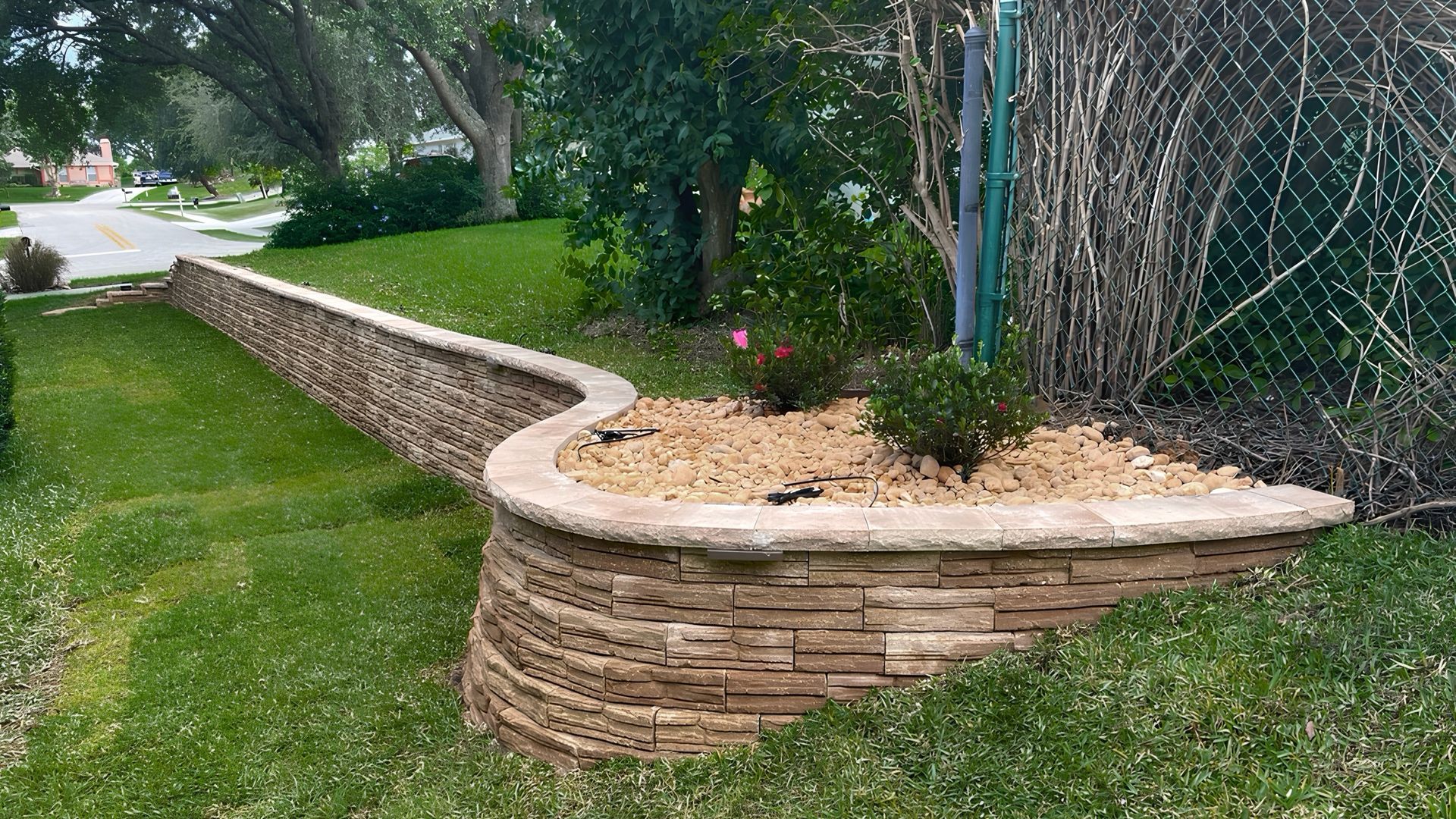
How Stone Type Affects Installation Approach
Limestone offers neutral tones and relatively uniform texture, making it suitable for clean, structured exterior designs common in newer St. George subdivisions. Sandstone brings earth tones—tan, beige, red, brown—that align with Southern Utah's desert palette and work well on properties with rustic or Southwestern architectural elements. Slate introduces darker colors and pronounced layering, which creates visual interest on modern homes or commercial buildings where a contemporary aesthetic is desired. Each material has different porosity, weight per square foot, and absorption characteristics that determine what kind of mortar is used, how frequently movement joints are required, and whether additional sealing is recommended after installation.
After installation, you'll see stone that weathers naturally without color fade from UV exposure, maintains its texture indefinitely, and requires minimal maintenance beyond occasional cleaning and mortar joint inspection. The stone remains securely attached because it was set on a properly prepared substrate with adequate drainage behind it, and expansion joints were placed where needed to accommodate thermal movement.
Natural stone is heavier than manufactured alternatives, so lintels over openings and foundation bearing capacity are evaluated before large installations proceed—this prevents settlement or cracking that would compromise both appearance and weather protection.
Answers About How the Work Is Done
Natural stone installations vary significantly based on material selection and building type, so these answers focus on the decisions and steps that shape the final result.
How is natural stone selected for a specific building?
Stone is chosen based on color compatibility with existing exterior materials, texture that suits the architectural style, and weight that the wall assembly can support—limestone works for formal, structured designs, while fieldstone suits rustic properties, and the installer evaluates whether thin veneer or full-depth stone is appropriate given the substrate and project scope.
What preparation is required for natural stone installation on an older home?
Existing siding is removed, the sheathing is inspected for rot or damage, and structural framing is reinforced if necessary—older homes in Cedar City may have settled or shifted over decades, so ensuring a level, stable substrate prevents cracked mortar joints and stone displacement after installation.
Why do some natural stone installations include backer rods in the joints?
Backer rods control the depth of mortar or sealant in joints, which affects flexibility and adhesion—they're placed in wider joints to prevent the sealant from bonding on three sides, which would restrict movement and lead to joint failure during temperature swings common in Southern Utah.
What's the difference between dry-stacked and mortared natural stone?
Dry-stacked stone has tight joints with minimal or no visible mortar, creating a continuous stone surface, while mortared installations feature pronounced joints that add pattern and help shed water—dry-stack requires precise stone cutting and fit, and both approaches need proper drainage behind the stone to prevent moisture buildup.
How do installers handle corners and transitions with natural stone?
Corners use specially cut pieces that interlock or miter to maintain the pattern without exposing raw edges—transitions between stone and stucco or siding require flashing and caulk joints designed to accommodate different expansion rates, which prevents cracks where materials meet.
Natural stone installation on homes and commercial buildings benefits from coordination with other exterior work—roofing, stucco, and trim details all intersect with stone placement, so sequencing the project correctly prevents rework and ensures weather barriers overlap properly. R Gleave Construction also performs natural stone installation in Washington, Hurricane, Ivins, Enoch, and Parowan. Contact R Gleave Construction to discuss stone material options and project sequencing for your property.