Understanding Roof Installation Costs in St. George, UT: Material and Labor Factors

R Gleave Construction • July 24, 2026

Share this article

Understanding Roof Installation Costs in St. George, UT: Material and Labor Factors

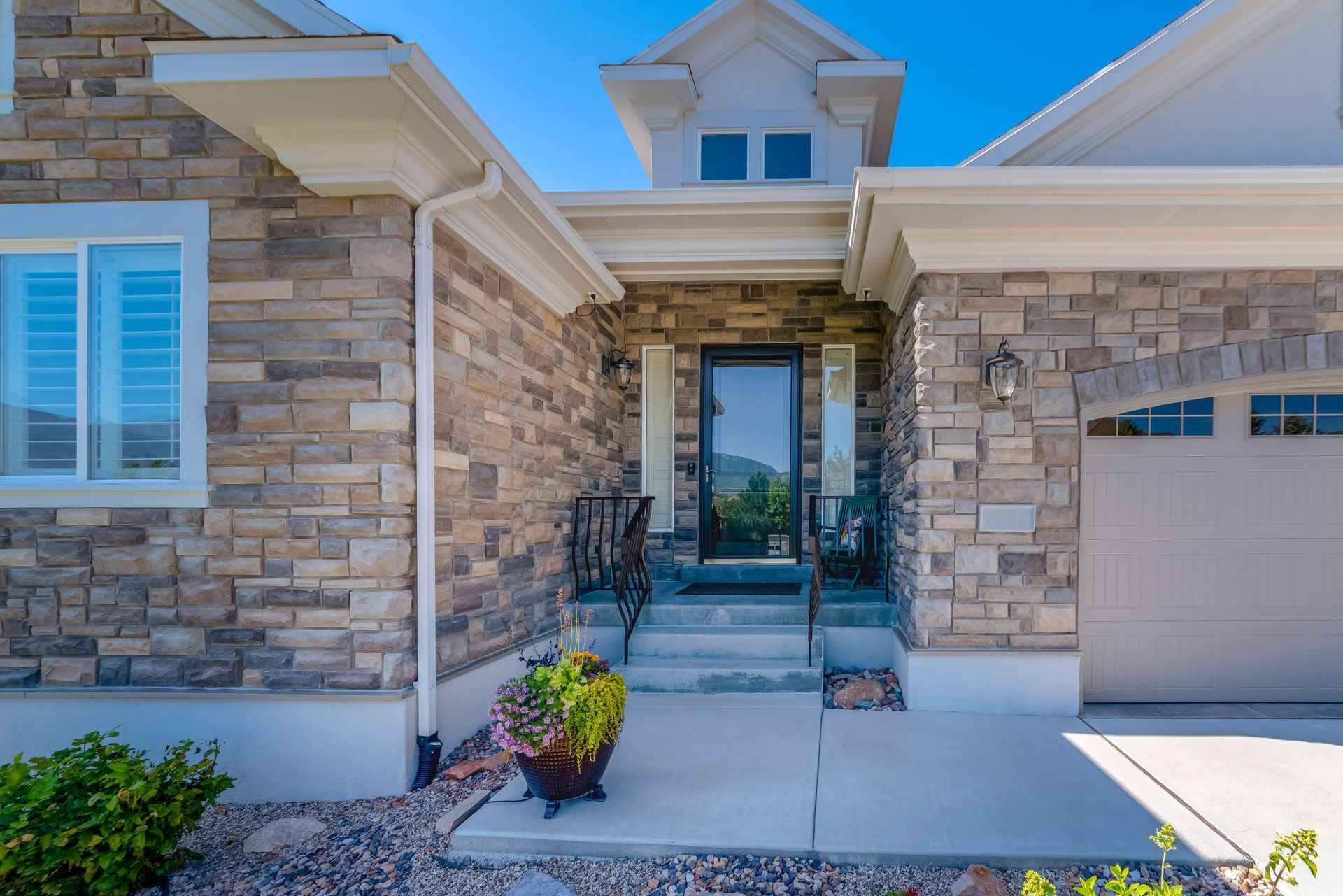
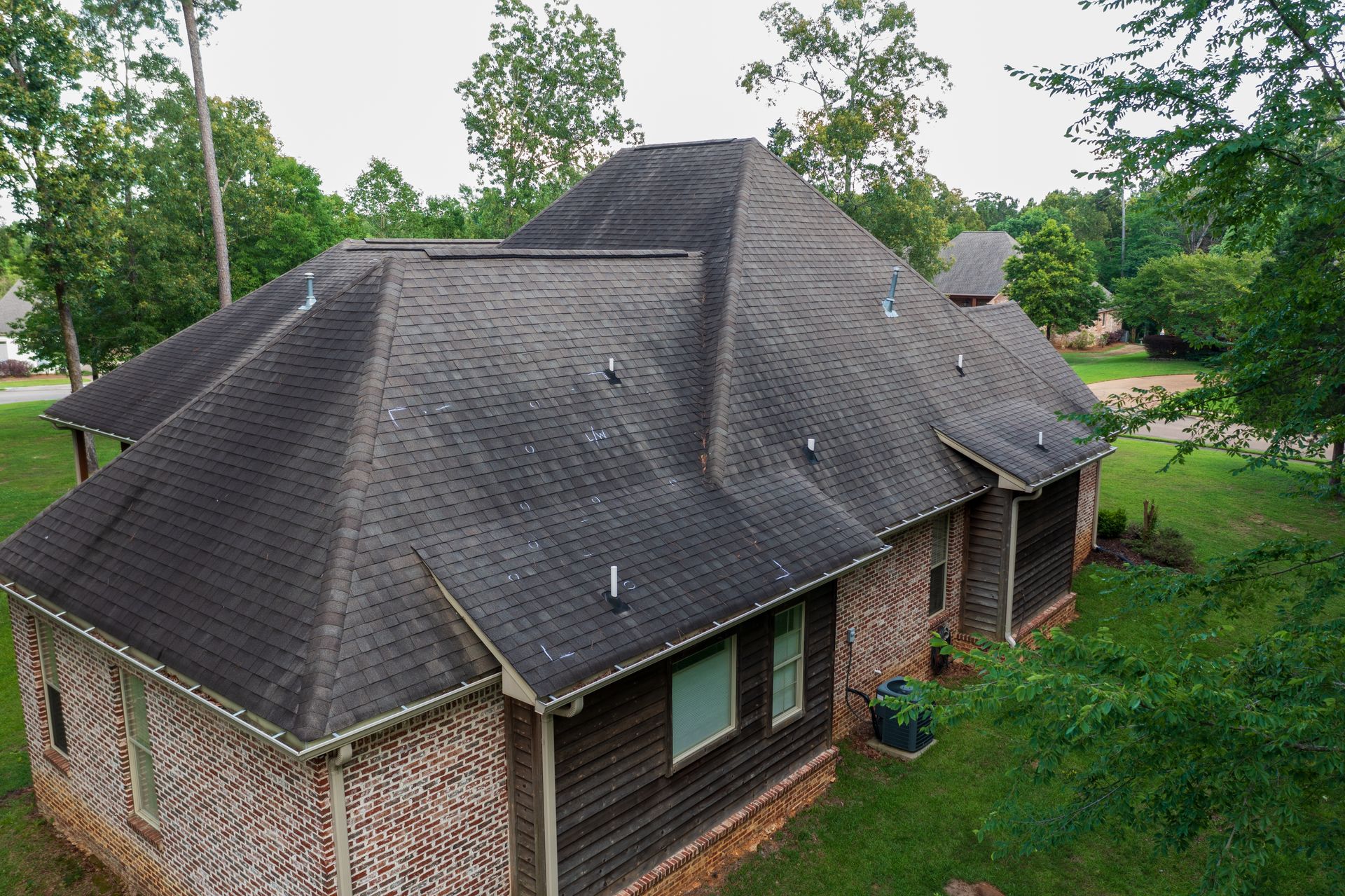
Roof installation projects in St. George, UT require careful material selection and timing decisions to balance upfront investment with long-term performance in a climate where summer heat and intense UV exposure accelerate roofing material aging.

How do material choices affect roof installation planning?

Asphalt shingles, tile roofing, and metal systems each offer different lifespans and thermal performance characteristics that influence both initial project scope and long-term maintenance requirements.

Standard asphalt shingles provide the lowest initial material cost but typically last 15-20 years in St. George's intense sun exposure before requiring replacement. Architectural shingles with enhanced UV protection extend service life to 25-30 years while adding dimensional appearance. Concrete or clay tile roofing costs more upfront but can last 50 years or longer with minimal maintenance beyond occasional tile replacement.

Metal roofing systems fall between shingles and tile in initial expense while offering 40-50 year lifespans and superior heat reflection that reduces cooling costs. Material selection should consider how long homeowners plan to remain in the property and whether energy savings justify higher initial investment.

What installation factors extend beyond material costs?

Roof pitch, complexity, accessibility, and existing decking condition all influence labor requirements and project duration, affecting total installation investment beyond material selection alone.

Steep roof pitches require additional safety equipment and slow installation pace, increasing labor hours. Complex roof designs with multiple valleys, dormers, or intersecting planes take longer to flash and shingle properly than simple gable roofs. Limited site access that prevents material delivery near work areas adds labor time for material handling.

Decking replacement discovered during tear-off adds both material and labor costs but ensures the new roof has a solid foundation that will support its expected lifespan. Homeowners considering gutter installation in St. George often coordinate these projects with roof work to avoid separate mobilization costs and ensure proper integration between roofing and drainage systems.

When does roof installation timing affect project outcomes?

Spring and fall installation windows provide moderate temperatures that optimize material performance and worker safety while avoiding summer heat stress and monsoon weather delays.

March through May offers consistent weather before extreme heat arrives, allowing crews to work full days without heat-related slowdowns. September through November provides similar conditions after monsoon season ends and before winter cold affects material handling. Summer installation remains possible with early morning work schedules, but reduced daily productivity extends project timelines.

Winter installation in St. George's mild climate is feasible during dry periods, though cold morning temperatures can make shingles brittle and difficult to seal properly until afternoon warming occurs.

Do St. George homes require special ventilation considerations?

Adequate attic ventilation prevents heat buildup that can reach 160 degrees in summer, degrading roofing materials from below and increasing cooling costs throughout the home.

Balanced ventilation systems use soffit vents for intake and ridge or gable vents for exhaust, creating continuous airflow that removes heat and moisture from attic spaces. Insufficient ventilation causes shingles to age prematurely as excessive heat accelerates asphalt deterioration. Proper ventilation also prevents moisture accumulation during winter months when temperature differentials can cause condensation on roof decking.

Building codes specify minimum ventilation ratios based on attic square footage, but homes with dark roof colors or western sun exposure benefit from enhanced ventilation beyond minimum requirements. Property owners can learn about window installation in St. George to complement roof upgrades with improved glazing that reduces solar heat gain and overall cooling loads.

What warranty coverage should homeowners expect?

Material warranties from manufacturers typically cover defects for 25-50 years depending on product grade, while workmanship warranties from installers protect against installation errors for periods ranging from one to ten years.

Manufacturer warranties require proper installation following specific guidelines to remain valid, making contractor selection important for warranty protection. Workmanship warranties cover leaks or failures resulting from installation errors rather than material defects or damage from external causes. Extended workmanship warranties often indicate contractor confidence in their installation quality.

Homeowners should verify that both material and labor warranties transfer to subsequent property owners if they plan to sell before warranty periods expire, as this coverage adds value during real estate transactions.

R Gleave Construction provides roof installation services using materials selected for desert climate performance, with installation practices that meet manufacturer requirements for full warranty coverage and long-term durability in St. George's demanding environment.

Recent Posts

By R Gleave Construction July 24, 2026
Roof repair in Cedar City, UT tackles snow load stress, ice dam formation, and freeze-thaw damage. Learn how mountain climate conditions affect roofing systems.
By R Gleave Construction July 24, 2026
Deck building in Cedar City, UT requires planning for freeze-thaw cycles, UV exposure, and snow loads. Discover material and design choices for mountain environments.