How to Choose a Stucco Contractor in Saint George, UT
How to Choose a Stucco Contractor in Saint George, UT: What to Ask Before You Hire
Saint George's Mojave Desert climate puts stucco under more stress than most homeowners realize — summer highs above 105°F cause the material to expand and contract daily, and even small cracks let monsoon moisture in before you notice any damage inside. Choosing the wrong contractor doesn't just mean a bad-looking finish; it can mean water intrusion, delamination, and a full redo within a few years. This guide gives you the exact questions and checkpoints to use before you sign anything.
Why the Wrong Hire Costs Far More Than the Job
Poor stucco installation fails faster in a desert climate than nearly anywhere else. When the prep work is skipped or the wrong mix is used, the extreme UV exposure and heat cycling in Washington County accelerate cracking and peeling — problems that are cheap to prevent but expensive to fix after the fact.
A failed stucco system can allow moisture behind the wall assembly, which damages the sheathing, framing, and insulation underneath. At that point, you're not just paying for new stucco — you're paying for structural repairs too. Getting the contractor decision right the first time is the most cost-effective move you can make.
What Questions Should You Ask During the Walkthrough?
Ask specific questions before any quote changes hands — the answers reveal how experienced the contractor actually is with local conditions.
Ask about Saint George's climate directly. A knowledgeable contractor should bring up heat cycling, UV degradation, and late-summer monsoon moisture without prompting. A useful test question: 'How does the desert heat here affect how you prep and apply the finish coat?' If they look blank, that's a signal.
Ask about substrate prep. The substrate is the surface the stucco bonds to. Poor prep — skipping the lath inspection, not treating existing cracks, or applying over a failing surface — is the most common reason stucco fails early. Ask specifically what they do with existing cracks before the first coat goes on.
Ask about painting afterward. Stucco texture and curing time directly affect how paint bonds to the surface. A contractor who also handles exterior siding finishes and painting owns the full outcome, which matters for warranties. Splitting the work between two contractors creates a gap in accountability if something goes wrong later.
What a Legitimate Written Estimate Must Include
A detailed written estimate protects you — not just the contractor. If anything below is missing or vague, ask for it in writing before proceeding.
- Full scope of work: Number of coats, mix specification, and texture spec — not just 'stucco installation'
- Surface prep steps: What happens to existing cracks, old material, and the substrate before any new material is applied
- Material brands and coat thickness: Generic references to 'stucco' aren't enough; specific products matter for performance in high-UV environments
- Timeline with weather contingencies: Stucco shouldn't be applied in extreme heat without precautions; a good contractor will note temperature windows
- Explicit exclusions: What the bid does NOT cover — this prevents surprise charges later
- Payment schedule: Never pay 100% upfront; a standard schedule ties payments to completed milestones
- Warranty language: What is covered, for how long, and what voids it
If a bid is missing most of these items, the contractor either hasn't done this work at scale or is leaving wiggle room to cut corners later.
Should You Repair Your Stucco or Start Over?
Most hairline cracks in otherwise sound stucco can be repaired cleanly — they don't mean you need a full redo. The deciding factor is what's happening underneath the surface, not just what you can see.
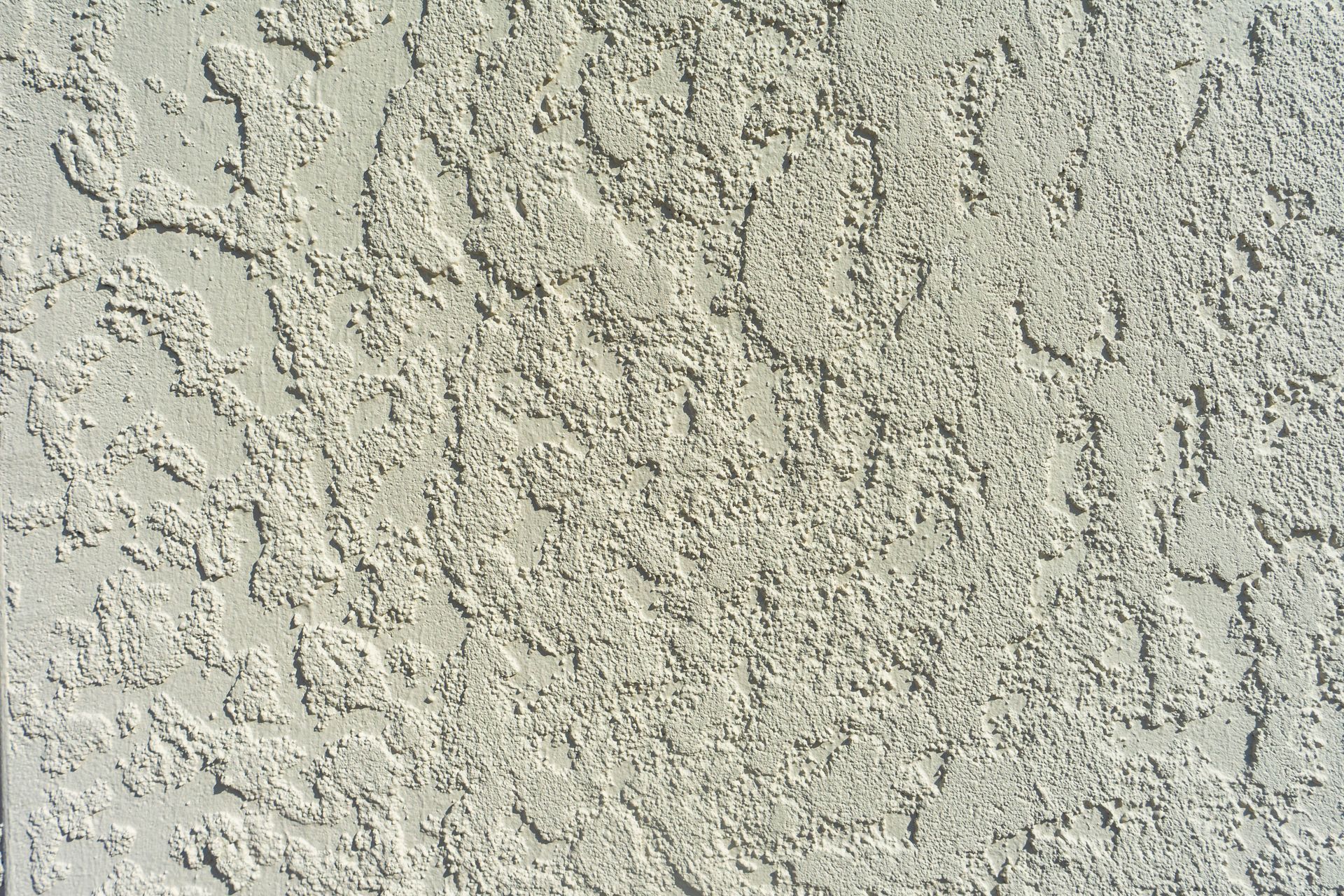
Repair is usually sufficient when: cracks are hairline-width, isolated to a small area, and the surrounding material is firmly bonded to the substrate. Red-rock mineral dust common in Saint George can work into these small cracks over time, so sealing them early keeps repair costs low.
Full replacement is likely needed when: you see widespread pattern cracking (sometimes called 'map cracking'), sections that sound hollow when tapped, visible bulging or delamination, or any sign that moisture has already gotten behind the wall. At that stage, patching over the problem traps moisture and accelerates the damage.
A reputable contractor will tell you honestly which situation you're in — even if repair means less revenue for them. If a contractor pushes full replacement on a home with isolated cracks and no moisture evidence, ask them to explain specifically why repair won't hold.
Comparing Bids: Reading the Numbers Carefully
The lowest number on a bid is rarely the lowest total cost once the job is done. What matters is whether the bids are actually comparing the same scope of work.
Line up two or three estimates and check whether each one specifies the same coat count, the same prep steps, and the same finish specification. A bid that skips two prep steps will always look cheaper — until those steps cause the finish to fail in Saint George's first summer heat cycle.
Watch for these red flags in any bid: vague line items like 'labor and materials' with no breakdown, no written warranty, pressure to sign the same day, or a payment schedule that asks for most of the money before work begins. Any of these signals that the contractor either lacks experience or is structuring the deal to protect themselves rather than you.
Don't Skip Soffit and Fascia While the Work Is Underway
Scaffolding is expensive to set up and take down — if a contractor already has it up for stucco work, that's the most efficient time to inspect and repair the soffit and fascia (the boards and trim at the roofline) as well.
Damaged soffit near a stucco wall is a common moisture entry point. Water that gets in through the soffit can travel down behind the stucco system, causing exactly the kind of hidden damage that's expensive to discover later. Bundling both scopes of work also gives you a single point of accountability — one contractor owns the outcome rather than two contractors pointing at each other if a problem shows up.
How Do You Check a Contractor's Track Record Before Signing?
Checking references in Saint George or Washington County specifically is more useful than general online reviews — local projects mean the contractor has direct experience with the climate conditions your home faces.
On review platforms, look beyond the star average. Recent reviews that describe specific project details and mention how the contractor handled a problem are more informative than a stack of five-star ratings with no context. Also check how the contractor responds to negative reviews — a defensive or dismissive response tells you something about how they handle disputes.
Ask for a portfolio of completed local projects before you commit. Seeing finished work in person or in photos lets you evaluate texture consistency and how the finish has held up over time in the Saint George sun. You can also verify contractor licensing through Utah's Division of Occupational and Professional Licensing (DOPL) — it's a public database. Ask for certificates of general liability and workers' compensation insurance, not just a verbal confirmation that they're covered.
Taking these steps before you sign protects you from the most common hiring mistakes — and from being responsible for injuries or damage that occur on your property during the job.
A well-vetted stucco contractor in Saint George will give you a detailed written scope, speak fluently to the desert climate conditions, and back their work with clear warranty language. Those details separate a durable finish from one that starts failing by next summer.
Explore your options and compare what a thorough contractor looks like in practice by reviewing the exterior work portfolio and related services — then Schedule your walkthrough and estimate with R Gleave Construction.