Stone Siding Installation in St. George, UT: Natural Durability Meets Desert Climate
Stone siding provides exceptional fire resistance and natural insulation value in St. George, UT, where summer temperatures regularly exceed 100 degrees and wildfire risk remains a year-round concern for homeowners.
How does stone siding perform in high desert heat?
Stone siding maintains structural integrity during extreme temperature swings because natural stone absorbs and releases heat slowly without warping or cracking.
The thermal mass of stone veneer helps regulate indoor temperatures by absorbing daytime heat and releasing it gradually after sunset. This natural cycle reduces cooling costs during St. George's long summer season. Stone materials resist UV degradation that causes vinyl and composite siding to fade or become brittle over time.
Desert winds carry abrasive sand particles that erode softer siding materials, but stone surfaces withstand this constant weathering without losing their protective qualities or visual appeal.
Which stone veneer options work best for southwestern architecture?
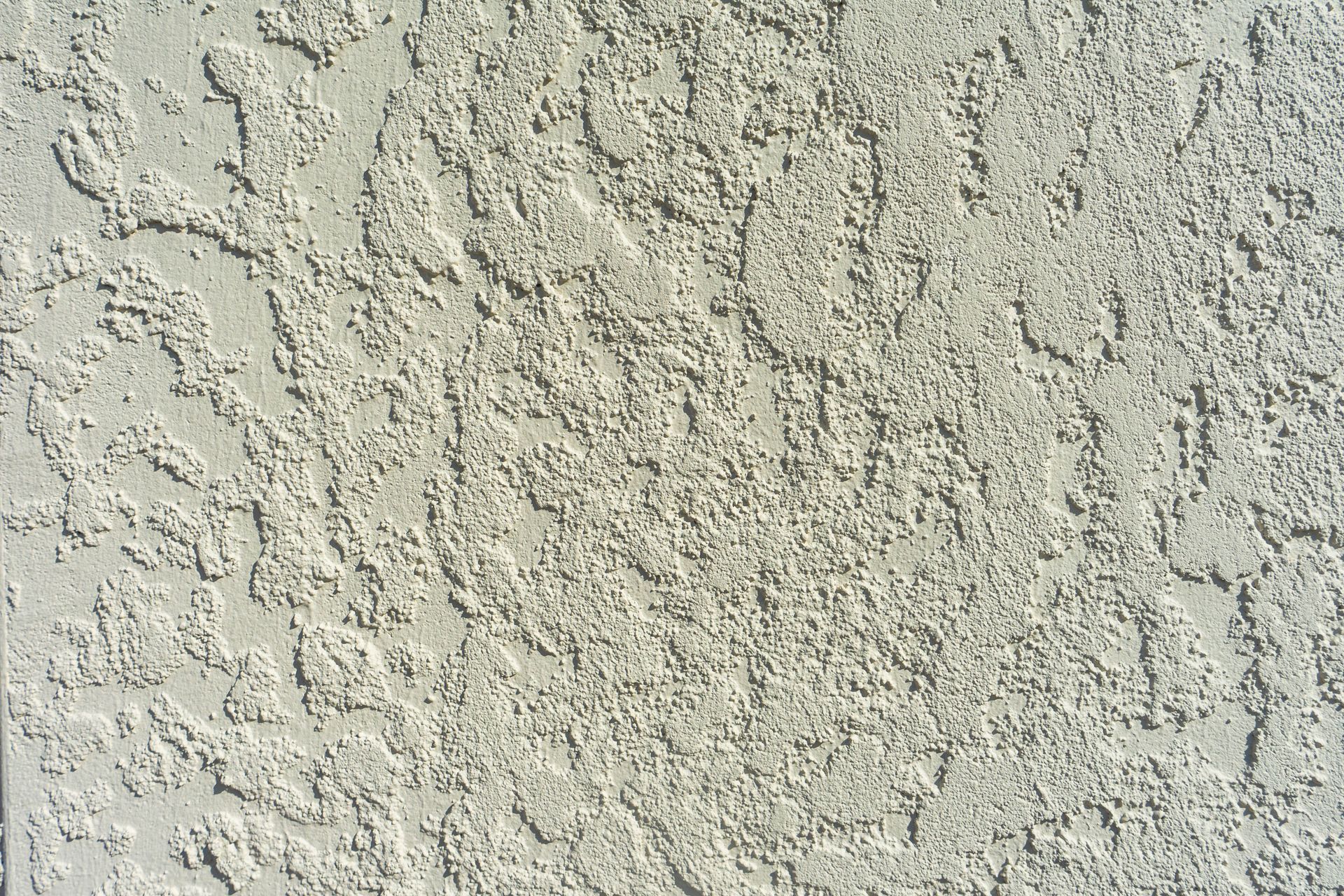
Limestone, sandstone, and manufactured stone veneer complement the earth-tone palette common in St. George residential design while providing authentic texture and depth.
Manufactured stone veneer offers the appearance of natural stone at reduced weight and cost, making it practical for retrofit projects on existing homes. These products replicate the color variations and surface textures found in quarried stone. Natural stone veneer uses thin-cut pieces of real limestone or sandstone, providing authentic material properties with easier installation than full-thickness stone masonry.
Color selection should consider how stone tones interact with the red rock landscape visible throughout Washington County, creating visual harmony between home and environment.
What installation factors affect stone siding longevity?
Proper moisture barriers and weep systems prevent water infiltration behind stone veneer, which protects structural sheathing and prevents efflorescence on stone surfaces.
Stone veneer requires a weather-resistant barrier installed over wall sheathing before stone application begins. Metal lath provides the mechanical attachment surface for mortar or adhesive systems. Weep screeds at the base of stone walls allow any trapped moisture to escape rather than accumulating behind the veneer.
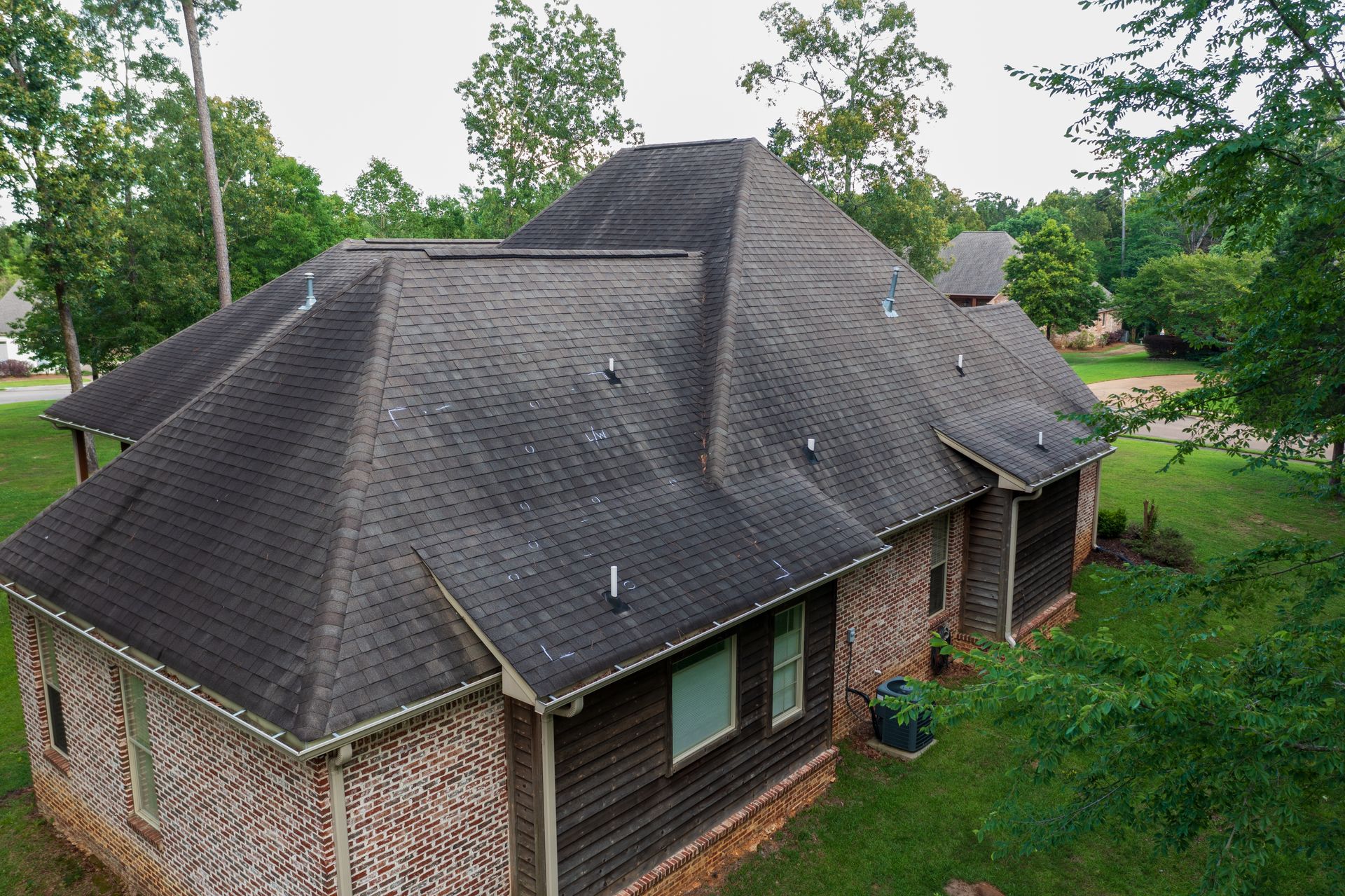
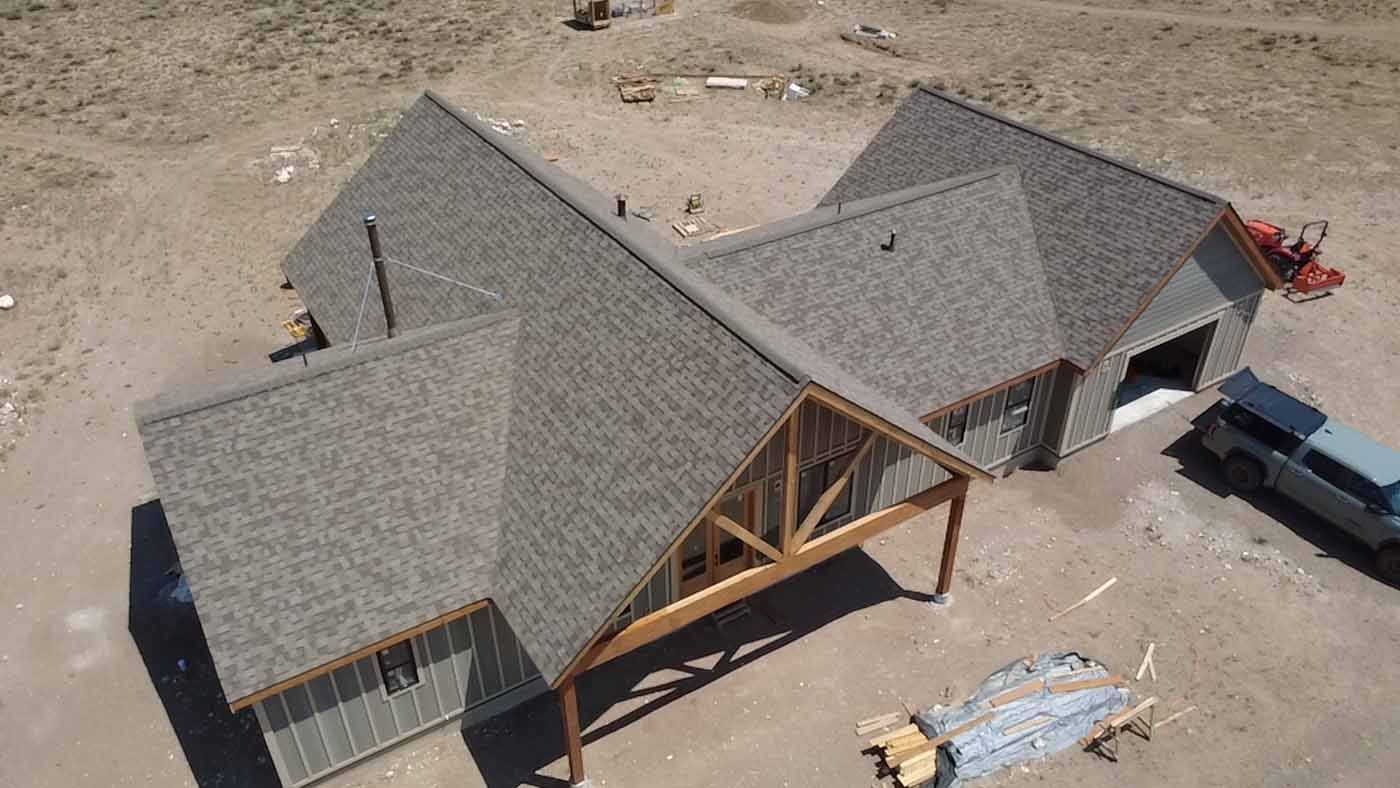
Flashing integration around windows, doors, and roof intersections directs water away from vulnerable penetrations where leaks typically develop. Homeowners looking to find roofing help in St. George often coordinate these projects with siding installation to ensure proper flashing continuity between roof and wall systems.
When should St. George homeowners consider stone siding replacement?
Visible mortar deterioration, loose stones, or water stains on interior walls indicate that existing stone veneer has reached the end of its service life and requires professional evaluation.
Mortar joints naturally erode over decades of exposure to temperature cycles and moisture, creating gaps where water can penetrate. Loose or displaced stones suggest that the underlying attachment system has failed. Interior water damage often appears long after exterior problems begin, making regular exterior inspections important for early problem detection.
Stone siding typically lasts 50 years or more when properly installed, but homes built before modern moisture management standards may need earlier intervention to prevent structural damage.
How do St. George building codes address stone veneer installation?
Local building codes require engineered attachment systems for stone veneer to withstand seismic activity and wind loads specific to southwestern Utah's geographic conditions.
Washington County sits in a moderate seismic zone where proper anchoring prevents stone veneer from separating during ground movement. Wind uplift calculations determine fastener spacing and type for areas exposed to strong canyon winds. Building inspectors verify that moisture barriers meet current standards and that flashing details follow manufacturer specifications.
Permit requirements ensure that stone veneer projects include structural review when adding significant weight to existing wall assemblies not originally designed for stone cladding.
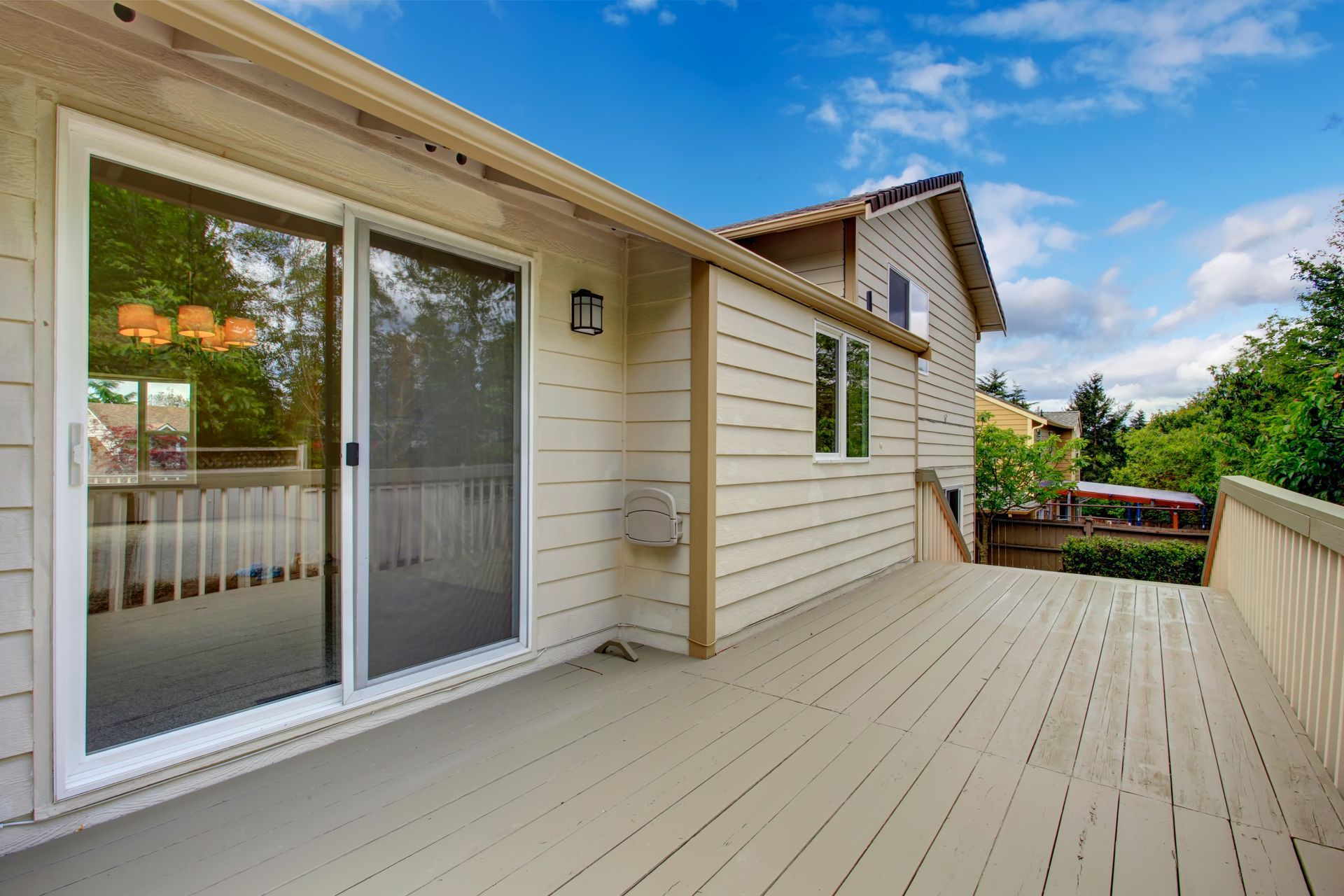
R Gleave Construction provides stone siding installation that combines authentic southwestern aesthetics with proven moisture management systems designed for desert climate conditions. Property owners can explore window installation options in St. George to complement new stone siding with energy-efficient glazing that matches the upgraded exterior performance.