Roof Repair Solutions in Cedar City, UT: Addressing Snow Load Damage

R Gleave Construction • July 24, 2026

Share this article

Roof Repair Solutions in Cedar City, UT: Addressing Snow Load Damage

Roof repair needs in Cedar City, UT stem from heavy snow accumulation averaging 62 inches annually and freeze-thaw cycles that stress roofing materials throughout the winter season at 5,800 feet elevation.

How does snow load affect Cedar City roofing systems?

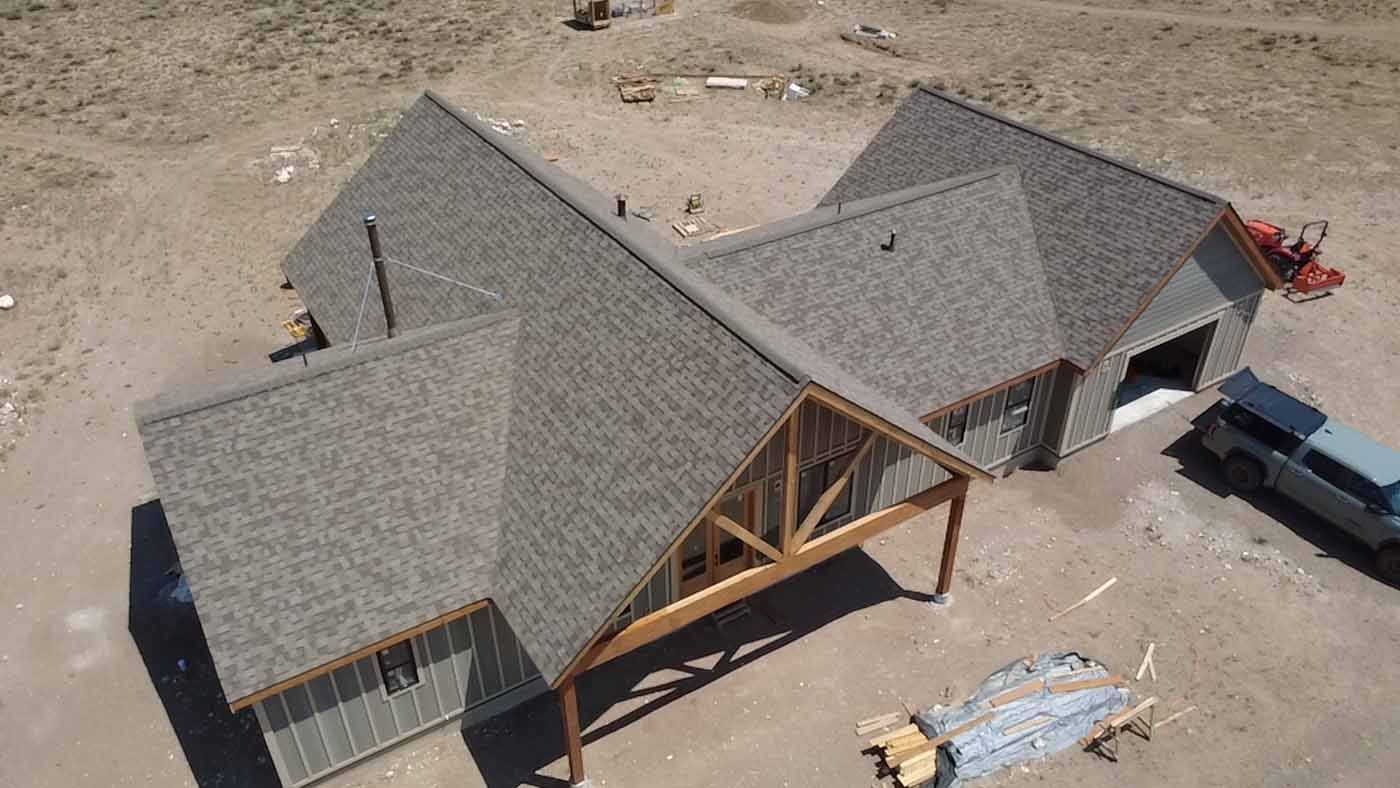
Accumulated snow weight stresses roof framing and can cause sagging or structural damage when snow depth exceeds design load capacities, particularly on older homes built before current building codes.

Wet snow weighs significantly more than dry powder, with one foot of wet snow exerting similar pressure as several feet of light snow. Roofs with shallow pitches accumulate more snow than steep roofs where snow slides off naturally. Uneven snow distribution creates point loads near roof valleys and against parapet walls.

Visible sagging between rafters or trusses indicates that snow load has exceeded structural capacity and requires immediate professional evaluation to prevent collapse. Homeowners should monitor snow depth during heavy winter storms and arrange for safe removal when accumulation approaches two feet on low-slope roofs.

What causes ice dams on Cedar City roofs?

Heat escaping through inadequate attic insulation melts snow on upper roof sections, and the resulting water refreezes at colder eaves, creating ice barriers that trap subsequent meltwater and force it under shingles.

Ice dams form when attic temperatures rise above freezing while outdoor temperatures remain below 32 degrees. Melted snow runs down the roof until it reaches the unheated eave overhang, where it refreezes. This ice buildup grows upward and creates a dam that blocks drainage.

Trapped water backs up under shingles and penetrates roof decking, causing interior ceiling stains, insulation damage, and potential mold growth. Proper attic insulation and ventilation prevent the temperature differential that causes ice dam formation. Those planning soffit and fascia installation in Cedar City should ensure adequate soffit venting to support balanced attic airflow that prevents ice dam conditions.

Which roof damage patterns indicate freeze-thaw problems?

Cracked or curled shingles, lifted flashing, and granule loss concentrated along roof edges signal repeated freeze-thaw cycles that degrade roofing materials over multiple winter seasons.

Water absorbed into shingle mat expands when it freezes, creating internal stress that causes cracking or delamination. This damage accumulates over years of freeze-thaw repetition. Flashing around chimneys and roof penetrations expands and contracts with temperature changes, eventually loosening fasteners or creating gaps where water enters.

Granule loss accelerates when ice formation lifts granules from the asphalt base, exposing underlying material to UV damage and further deterioration. Missing shingles often result from wind uplift combined with brittleness caused by repeated freezing.

Can minor roof leaks wait until spring for repair?

Small leaks worsen rapidly during winter months as freeze-thaw cycles expand cracks and ice formation forces water into areas that remain dry during warmer weather, making prompt repair essential.

Water that enters through small gaps freezes and expands, widening the opening with each freeze cycle. Interior damage from leaks continues even when outdoor temperatures drop below freezing if attic heat melts snow on the roof surface. Delayed repairs allow water to saturate insulation, reducing its R-value and increasing heating costs while moisture promotes mold growth in attic spaces.

Emergency tarping provides temporary protection until permanent repairs can be completed, but this solution requires proper installation to withstand winter wind and snow loads. Residents looking to connect with roofing help in Cedar City should address leak symptoms promptly rather than waiting for spring when damage has compounded over months of exposure.

What roofing materials resist Cedar City's winter conditions?

Impact-resistant shingles, metal roofing, and synthetic underlayment withstand freeze-thaw cycles, snow load stress, and ice dam formation better than standard organic-mat shingles and felt paper.

Impact-resistant shingles use modified asphalt formulations that remain flexible in cold temperatures, reducing crack formation during freeze-thaw cycles. Metal roofing sheds snow naturally and eliminates ice dam formation because the smooth surface and high thermal conductivity prevent differential melting patterns. Synthetic underlayment resists tearing during installation in cold weather and provides superior waterproofing compared to traditional felt paper that can deteriorate when exposed to moisture.

Proper attic insulation and ventilation matter more than roofing material choice for preventing ice dams, but durable materials extend overall roof life in harsh mountain conditions.

R Gleave Construction provides roof repair services that address both immediate leak problems and underlying causes like inadequate ventilation or damaged flashing, helping Cedar City homeowners maintain weather-tight roofing systems through demanding winter conditions.

Recent Posts

By R Gleave Construction July 24, 2026
Roof installation in St. George, UT involves material selection, labor timing, and climate considerations. Explore factors that influence roofing project planning.
By R Gleave Construction July 24, 2026
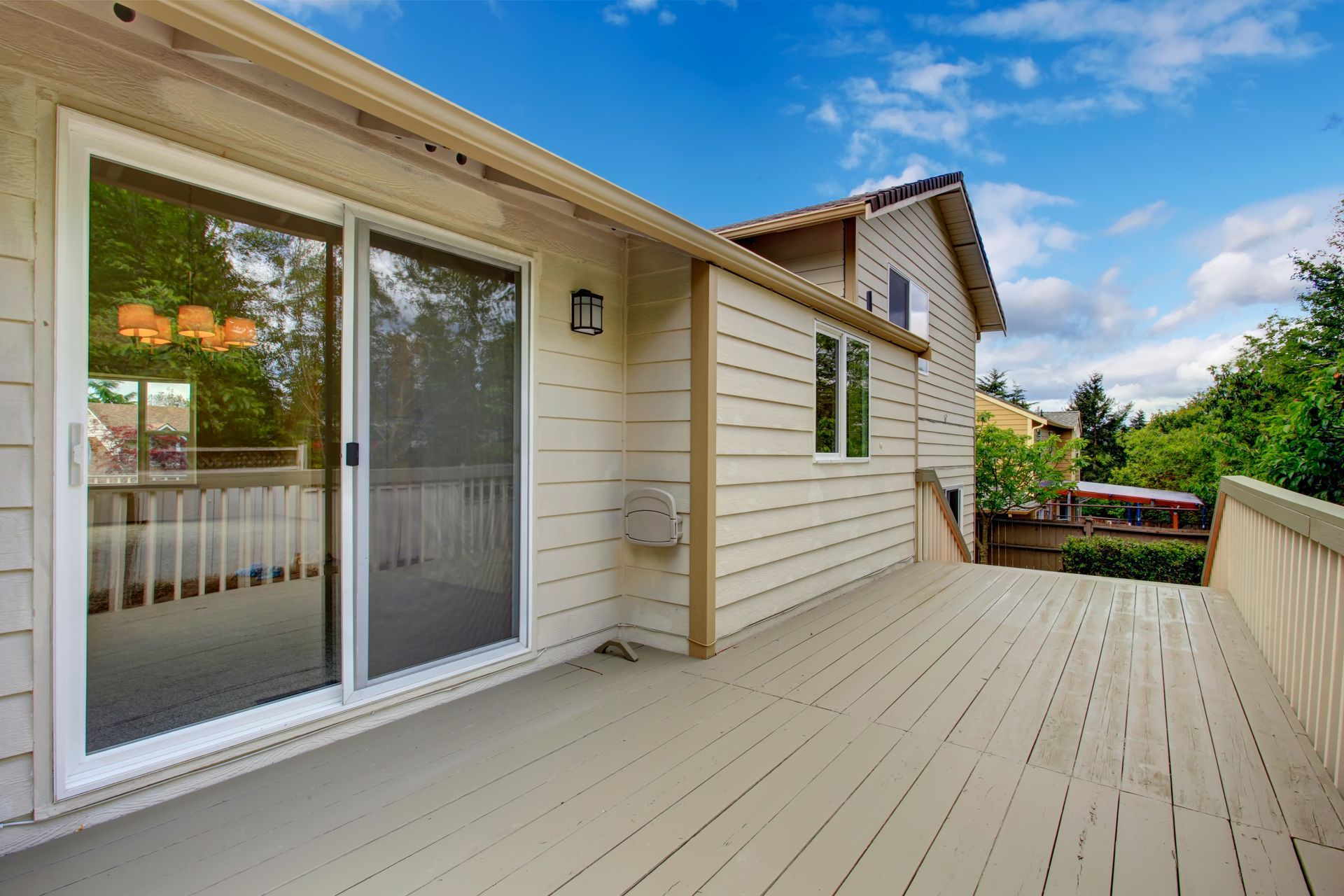
Deck building in Cedar City, UT requires planning for freeze-thaw cycles, UV exposure, and snow loads. Discover material and design choices for mountain environments.